Physical AI for the factories that already exist
Any factory can run itself. Even the one you already have.
New lines can be designed to run themselves. The harder case is the floor already running, on equipment that is paid for. wiseDo automates it station by station, starting from what the cameras already see.
Prefer chat? WhatsApp us · or get one note when pilot slots open.
First-line pilot deliverables, agreed in writing before we start; acceptance criteria and measurement periods are defined per line. Check your own line’s OEE in 60 seconds →
Technology partners
One loop on every station
Start by seeing what actually happens.
Sight starts with evidence: what happened, when it happened and what the camera or machine signal actually supports. Process Intelligence and Material Flow are being validated on bounded workflows; broader execution through Flow remains a separate, governed platform layer.
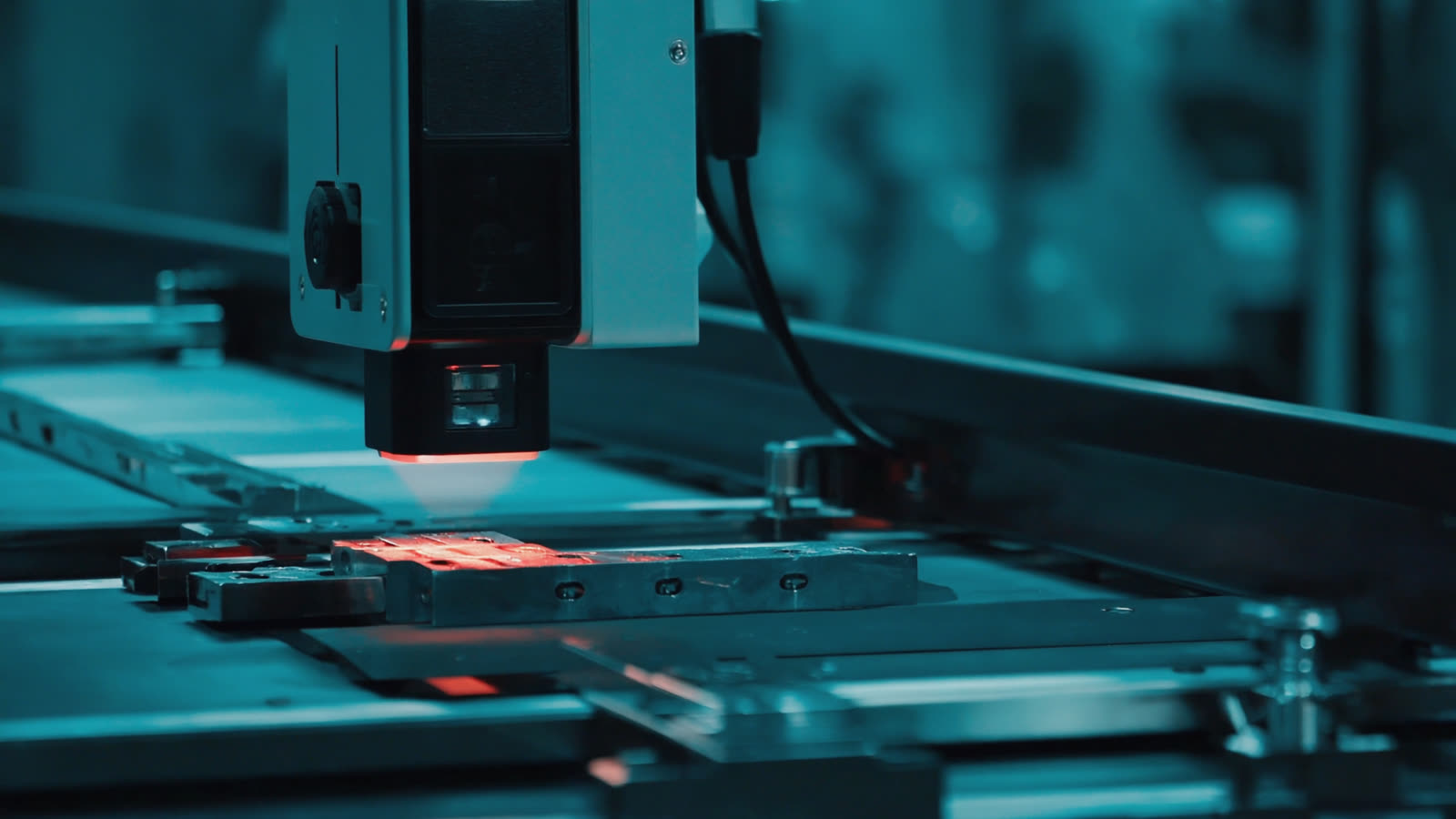
Observe
Establish what the selected workflow can reliably observe from existing cameras and supported machine signals, with timestamps and evidence.
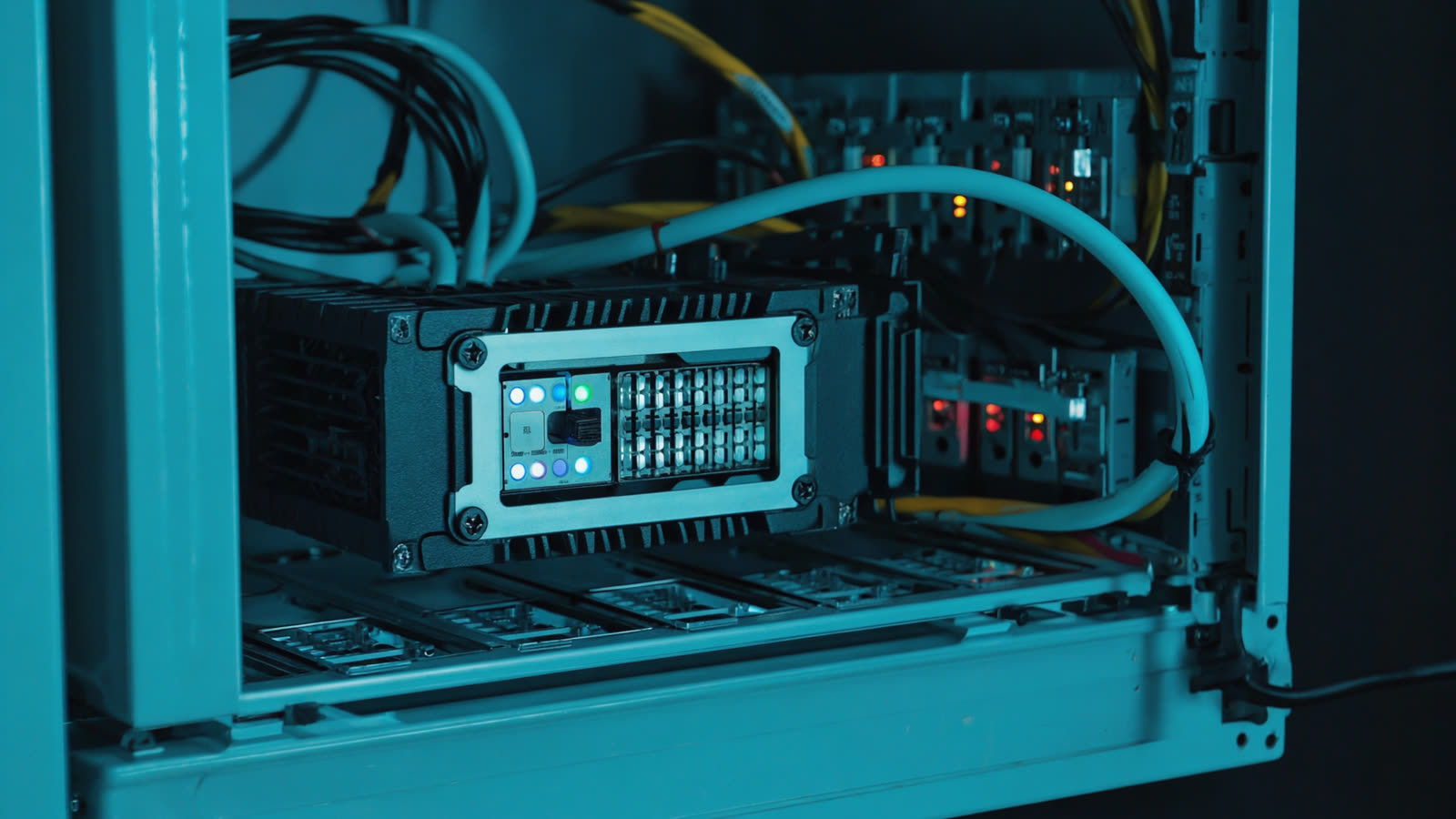
Understand
Relate validated events to process, material and equipment context without turning an inference into a measured fact.
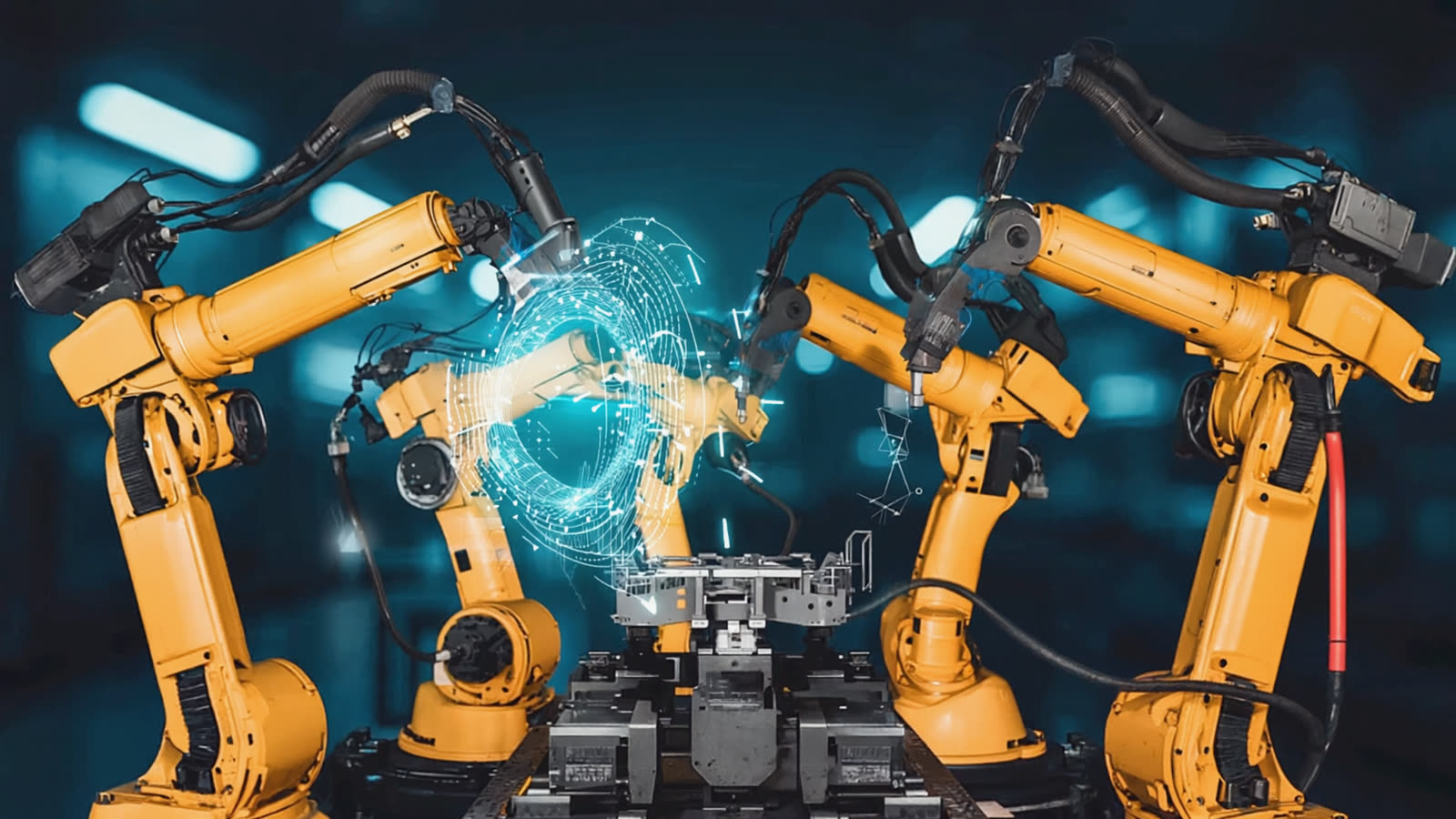
Decide
Surface evidence-backed findings for a person to confirm, adjust or dismiss.
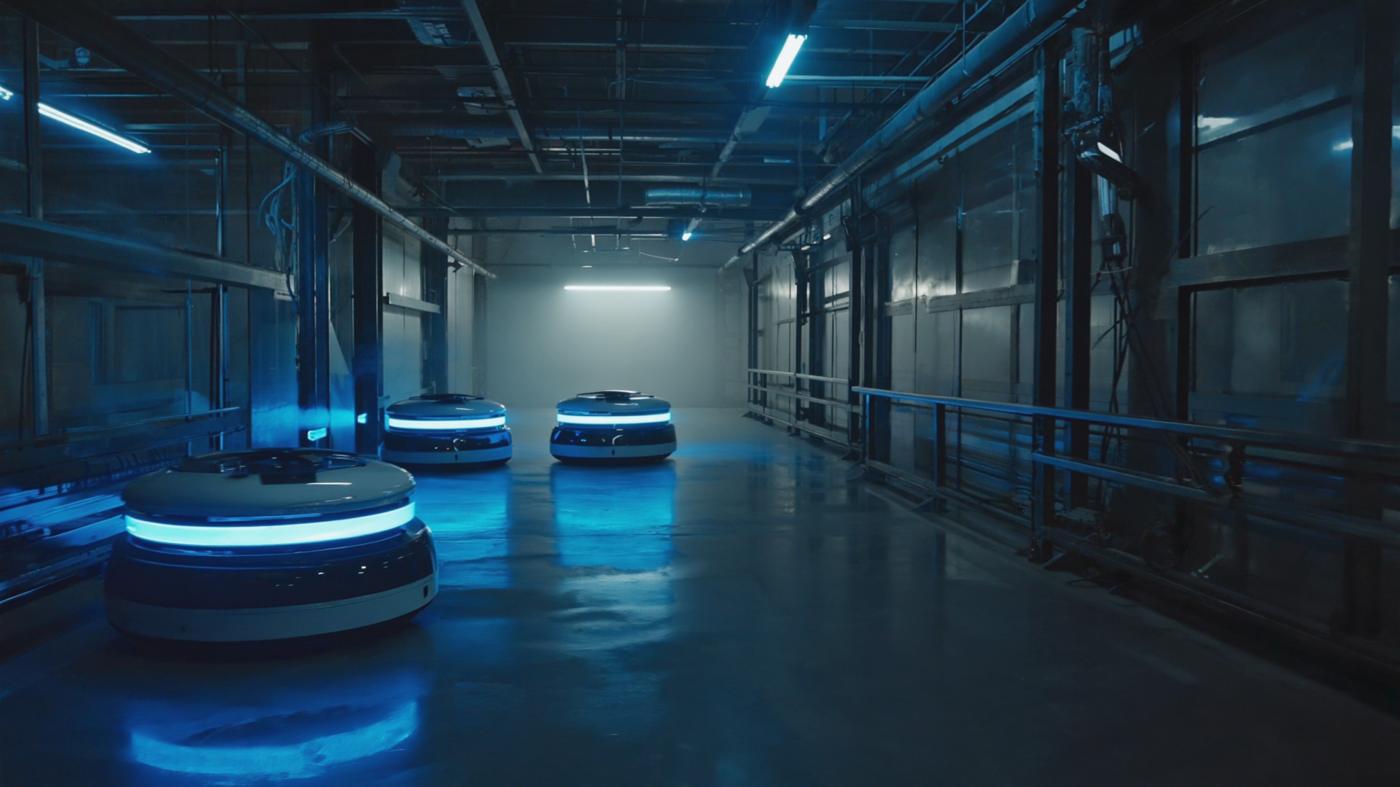
Act
In development: execute approved workflows through supported systems and bounded machine or fleet adapters.
Verify
Preserve reviewed outcomes as evidence for validation and improvement; updated models still pass deployment gates before reaching the line.
The long game
The end state is a dark factory, run by people who are anywhere.
A new plant can be designed to run this way. The ten-year question is every other floor, the ones already running. There, automation takes the repeatable work; whatever it cannot yet do is driven by a trained operator through our platform, from anywhere, and every task done teaches the robot.
Greenfield automation
One-time capex sized for a single product mix. Operators removed, process knowledge lost with them. Every product change is a new commissioning project. It works for the handful of plants that can afford to start over.
True human-robot collaboration
Each station moves at its own pace, on equipment already paid for. Operators stay in the loop and keep optimising the automation. A product change is a new recipe, not a new project.
Who does what
One plant, one task family. Your staff keep physical recovery, maintenance and safety; a wiseDo operator drives the unproven steps remotely; every intervention is logged against the task recipe.
How we get there
A repeatable path to software-operated stations.
Observation creates value first. Task capture, simulation and operator support extend the same workflow into automation.
Readiness today: Sight is in production computer vision and industrial pilots. PlantOps is at pilot stage. Task recipes are a prototype from a fixed overhead demonstration. Robot execution, task capture, simulation and physical validation are in development. There is no customer robot station yet.
Where the platform goes next
From operational intelligence to approved automation.
Physical AI is the destination, not the first thing a plant has to buy. Sight establishes trustworthy observations first. AI Supervisor, Automation Designer/Twin and Flow then add investigation, simulation and governed execution as each layer is validated.
Observe with Sight
Use selected cameras and supported signals to create evidence-backed safety and operational observations.
Understand & design
Process Intelligence, AI Supervisor and Automation Designer/Twin turn validated observations into investigation and simulated alternatives.
Execute & learn
Flow coordinates approved work across supported systems and heterogeneous robots; teleoperation and robot execution data progressively improve Physical AI skills.
Built for the physical world’s rules: edge-first latency on the floor · human-approved actions · models validated before deployment · runs on your cameras and PLCs.
Watch it run
One incident, end to end.
The loop we are building, rendered end to end: Sight spots an idle station, the platform replans the schedule in seconds, the twin holds the robot until the path is clear, and the operator’s one tap becomes a reviewed candidate for the next model release. A simulation, labelled as one — the readiness map says which parts run today.
The digital twin
Model the change before it reaches the floor.
Twin starts where every plant already has an asset: the layout. A DWG or DXF drawing becomes a simulation-ready scene — racking, docks, conveyors, chargers and zones mapped to real geometry — so a fleet, a route or a line change can be tried against your floor before anyone moves a pallet. Automation Designer is the engineering surface on top of it: author the layout, configure equipment, simulate the workflow and compare alternatives before physical commissioning. Production command authority stays with Flow, the robot controllers and independent safety systems.
The illustration below is a rendering of where this goes. Twin and Automation Designer are at design and prototype stage today, and the readiness map says so plainly.
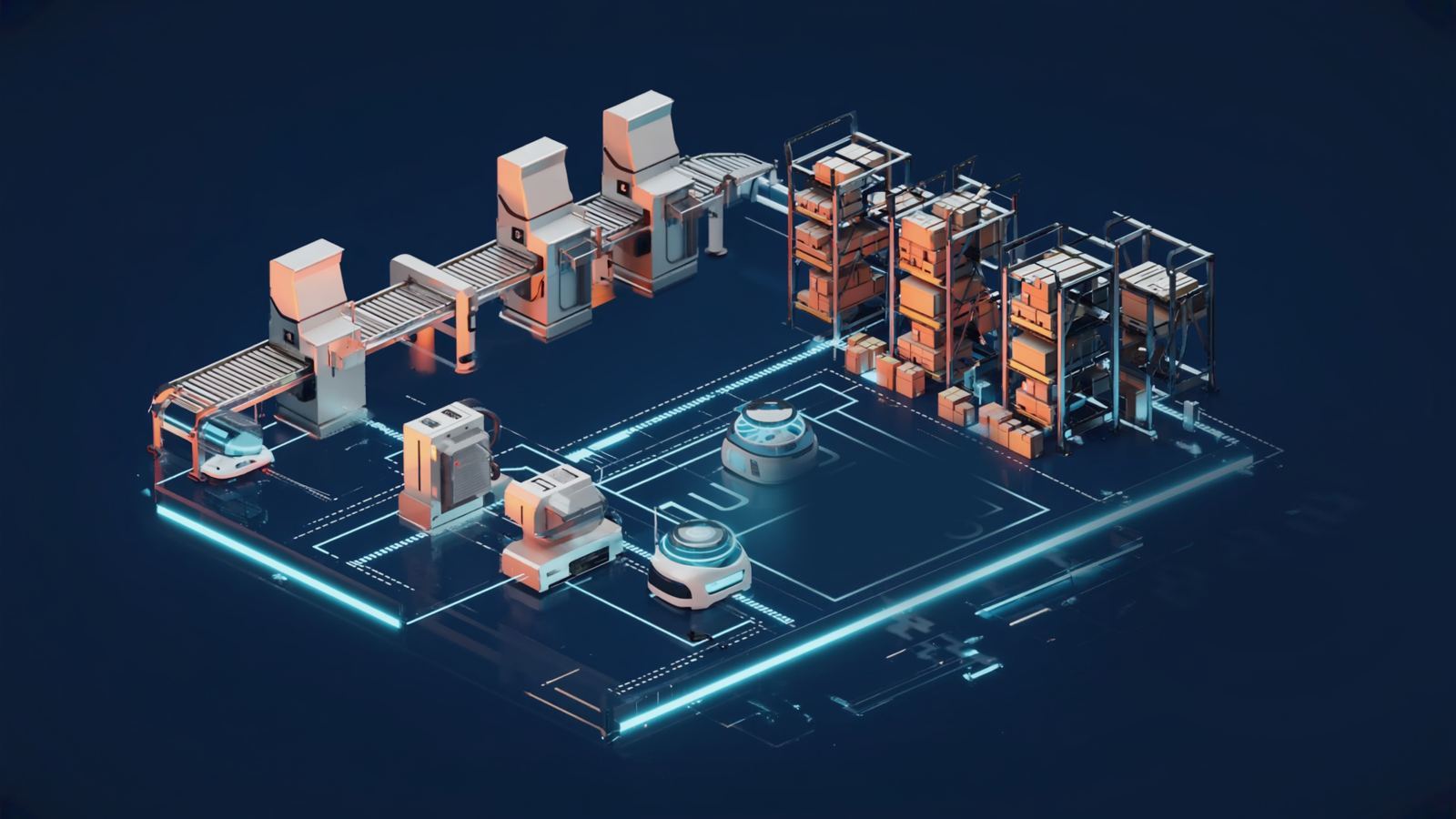 LINE 1 · TWIN VIEW · SIMULATED
OEE 71.4%
LOOP CLOSED · LEARNING
MICRO-STOPS RISING
AMR-1, AMR-2 HELD
ONE TAP · FEEDBACK RECORDED
PEOPLE + AI + ROBOTS · ONE CREW
The wiseDo platform
One operational layer from evidence to execution.
Sight is where most customers start. The broader platform connects trustworthy observations to governed work, simulation and heterogeneous automation without replacing the systems of record or local controllers you already run.
Sight
Observe. Turn selected cameras and supported machine signals into timestamped safety and operational evidence.
Core + Connect
Relate. Maintain the plant model, evidence lineage, policy and adapters while ERP, MES, WMS and PLCs keep authority for their native facts.
PlantOps + AI Supervisor
Understand. Turn validated events into governed work, investigation and recommendations with people retaining approval authority.
Automation Designer + Twin
Design. Model layouts, equipment and operating scenarios; replay and compare proposed changes before deployment.
Flow
Execute. Coordinate approved material and robot work across supported fleets and systems while local controllers and independent safety remain final authority.
Physical AI
Learn. Use reviewed outcomes, teleoperation and robot execution evidence to progressively automate bounded physical skills.
The boundary matters: Sight observes, AI recommends, Twin simulates and Flow coordinates approved execution. ERP/MES/WMS remain systems of record; PLCs, robot controllers and independent safety remain final local authority.
The orchestration layer
Robots do not scale one cell at a time. They scale on a layer.
A plant that buys its second robot from a second vendor has bought a second integration, a second console and a second support contract. The cost of each new station rises instead of falling. One orchestration layer above the vendor controllers is what turns a pile of cells into a floor that can grow.
Vendor-neutral by design
Arms, AMRs, AGVs and machines keep their own controllers and safety. The layer sends each the work the production plan needs, through the controller that owns the device, and arbitrates when two want the same aisle.
Task knowledge that transfers
Steps, constraints and acceptance checks are captured once as a recipe. The next comparable station adapts a known recipe instead of starting a new commissioning project.
Evidence under the whole floor
Commands, acceptance and measured outcome are separate facts on one timeline, so an intervention on one station improves the next rather than disappearing into a vendor log.
Fleet orchestration and command admission are in development, and the scope supported for a given controller is confirmed per line. Today the layer coordinates people, machines and signals; robot execution is being validated station by station.
Why it compounds
Reusable task knowledge lowers the cost of the next station.
Plant observations, approved work and verified outcomes create knowledge that transfers to the next comparable station.
Recipes that transfer
Task steps, constraints and acceptance checks captured as reusable recipes, so known work can be adapted to a new station or product variant.
A record of what works
Failures, operator interventions and verified outcomes linked to each task, building a recovery history that supports better commissioning over time.
Shared plant infrastructure
The plant model, permissions and system adapters are reused as customers add tasks and stations.
Who it is for
Built for the floors that keep industry running.
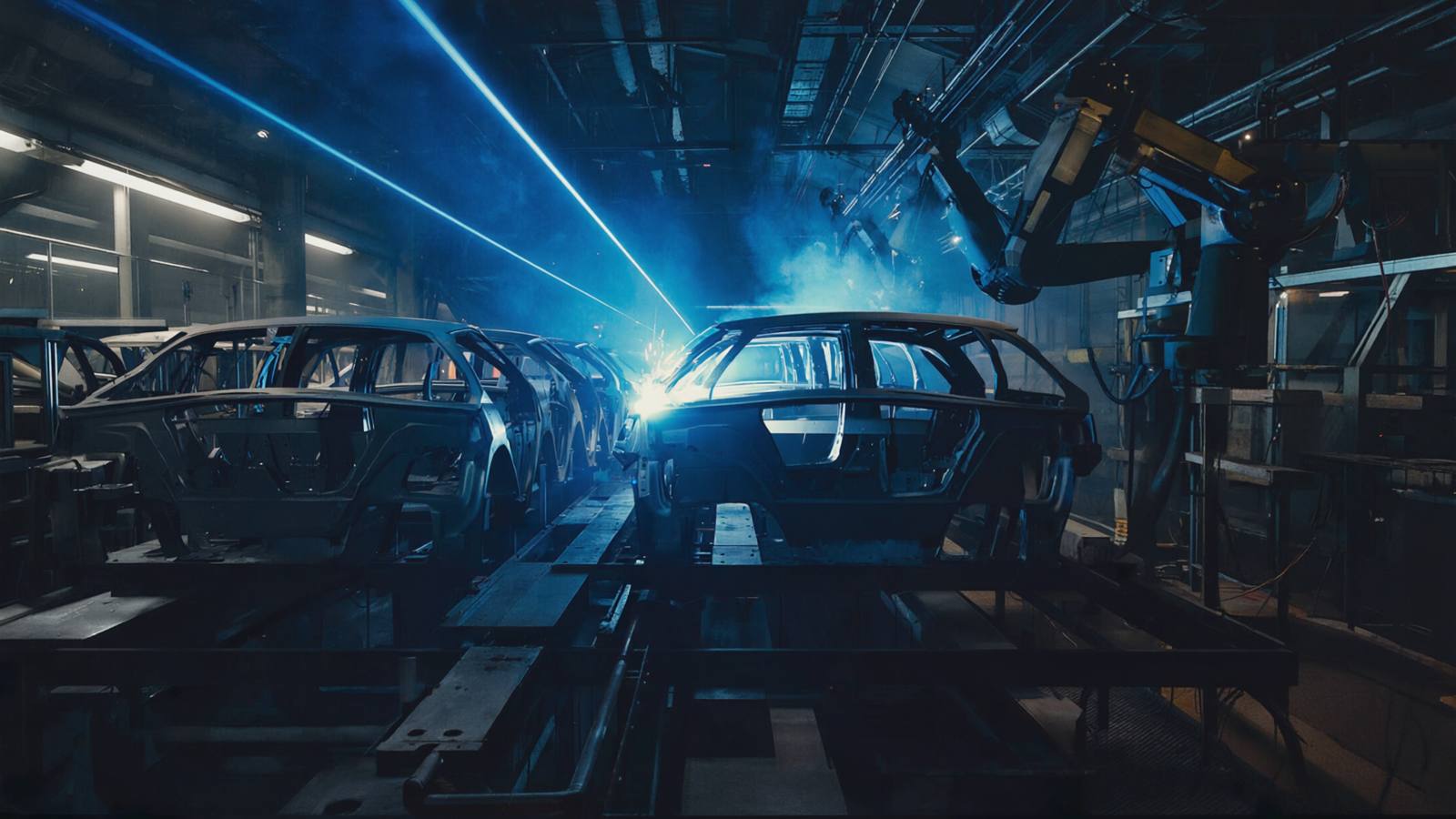
Automotive
OEE recovery, honest cycle times and audit evidence on existing lines.
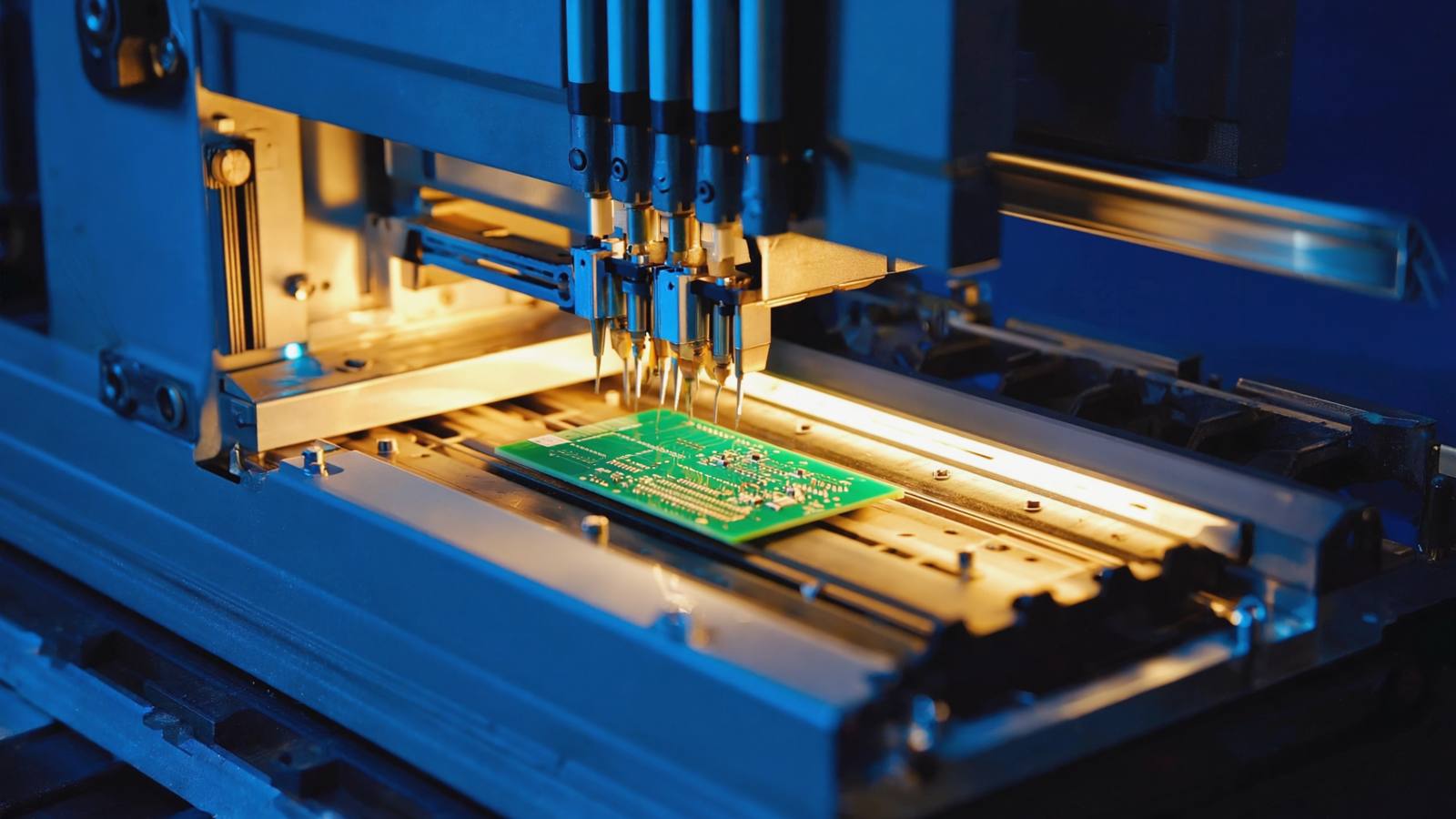
Electronics
First-pass yield up, escapes caught at the station, full unit genealogy.
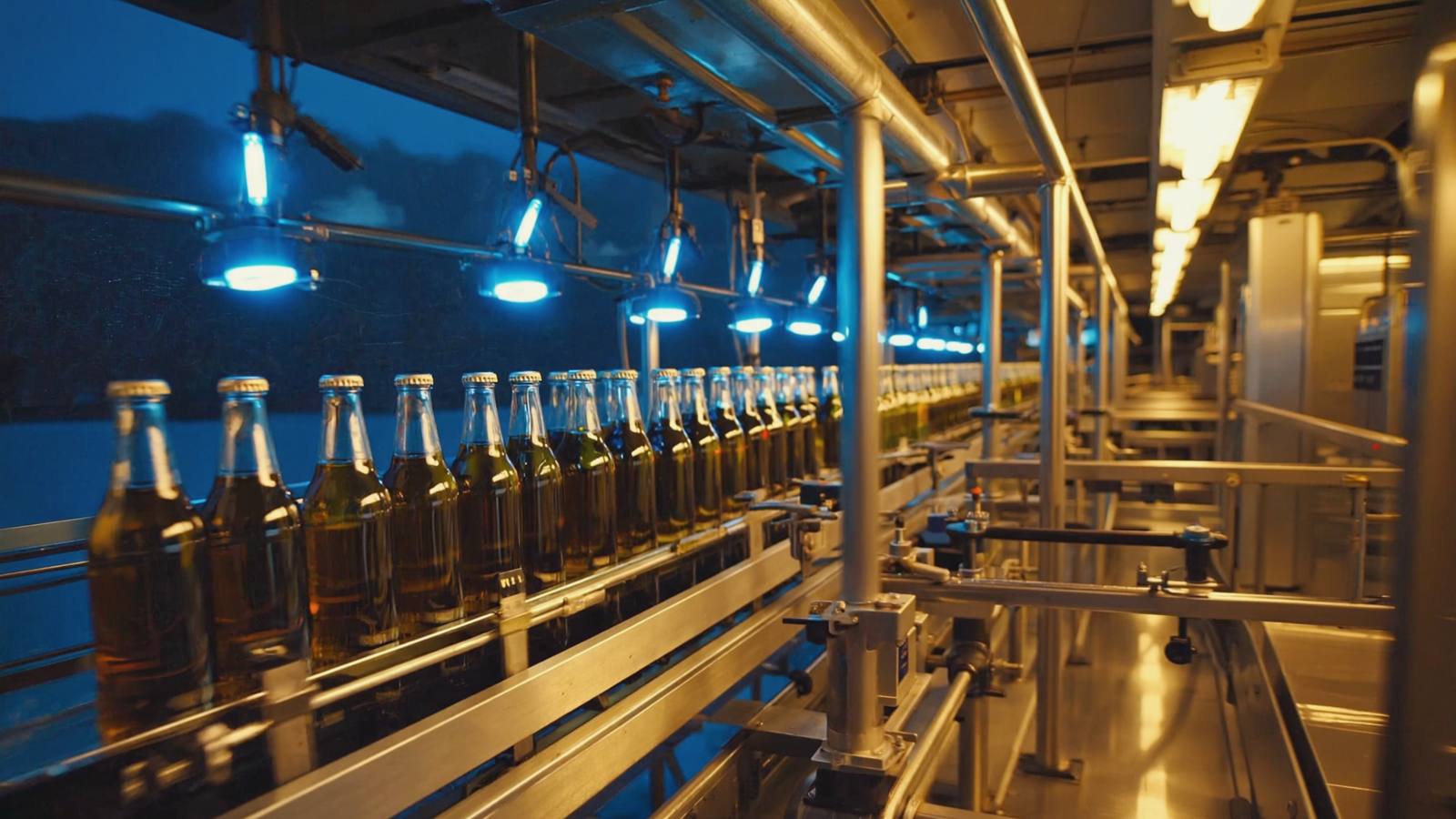
FMCG
Micro-stoppages captured, changeovers timed, energy per case visible.
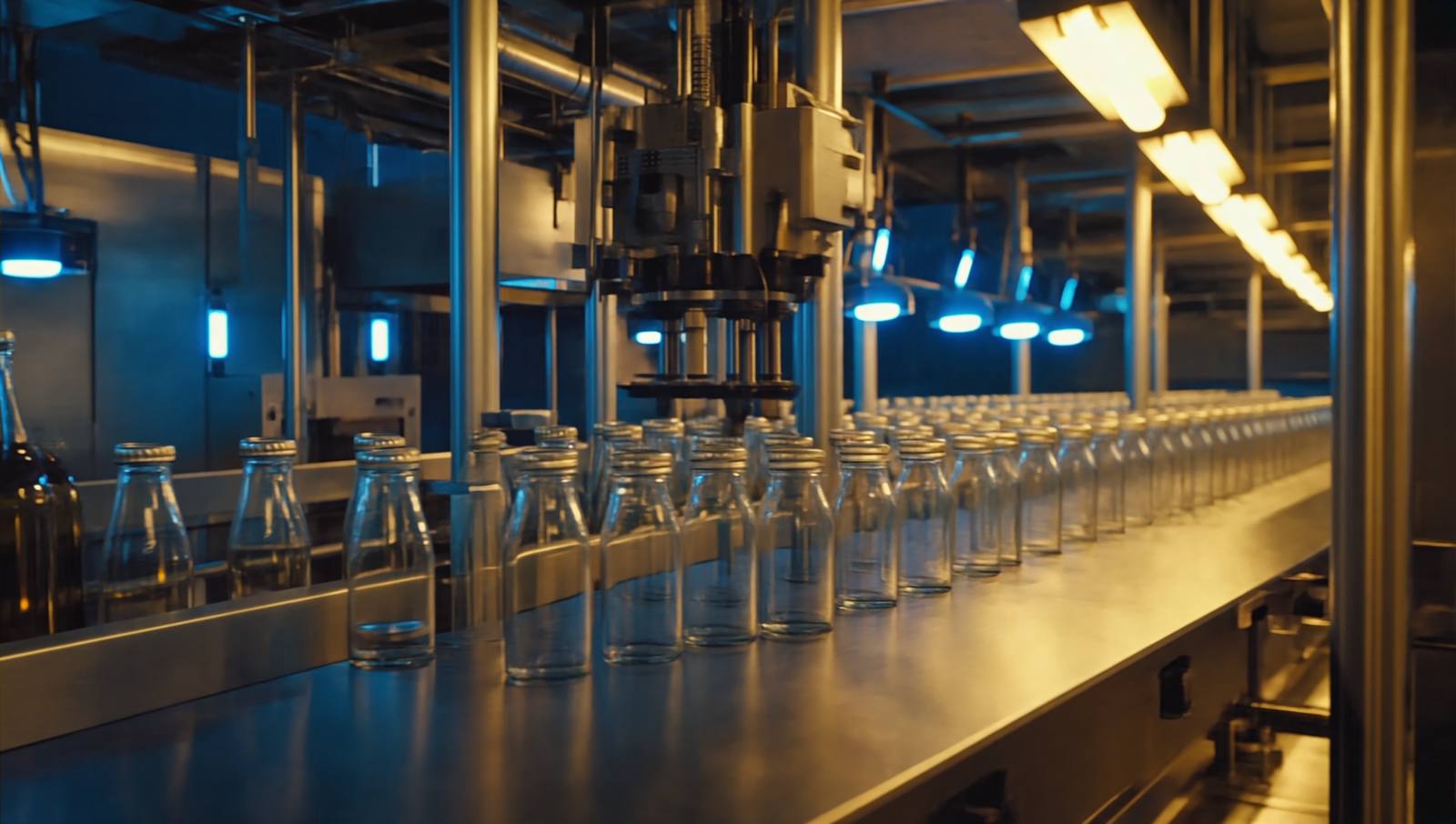
Pharma
Batch records that build themselves, deviations caught in the hour.
Warehousing and intralogistics run the same loop, on your aisles and your fleet.
Your data, your plant
Cameras on the line raise a fair question. Here is the answer.
Trust in a vision system is architectural, not contractual. These are design decisions, not promises.
Video never leaves your plant
Cameras are processed on an edge box inside your network. Footage stays on site.
Events, not footage
What crosses to dashboards, your MES and audit logs is timestamps and numbers, not video.
Air-gapped when you need it
Cloud-managed, your own VPC, or fully offline on-prem. Your choice, your data.
The process, not the person
wiseDo measures cycles, steps and stations. It is not worker surveillance, and we say so plainly. Machines take the repetitive part of the work; people keep the judgment. See the on-premise architecture →
The rollout
From first signal to a floor that runs itself.
See
Floor walk, line map, cameras and machine signals connected. An edge box in a cabinet, nothing replaced.
Measure
Sight calibrates on your own footage. True cycle times, reason-coded downtime and live OEE, confirmed with your supervisors.
Run
Scheduling replans from live data, the twin starts carrying decisions to the floor, and the numbers are reviewed against the baseline you agreed.
Limited pilot slots for 2026
Turn the floor you already run into a floor that runs itself.
A free line assessment is the fastest way to see where the loop starts in your plant.
No spam. Just one note when wiseDo is ready for your floor.